Traces of Time: The Reconstruction from Material to Spirit
Curatorial Statement & Exhibition Planning
In the discourse of contemporary art, "material" is far more than a mere medium for creation; it serves as an extension of the artist's intellect and a testament to their spiritual practice. This exhibition brings together two titans of East Asian contemporary art—Liu Kuo-sung, the Father of Modern Chinese Ink Painting from Taiwan, and Park Seo-Bo, the master of Danseaekhwa (Monochrome Painting) from Korea—alongside three distinct emerging and mid-career contemporary artists characterized by their profound sensitivity to texture and materiality: Li Ping-yi, LEE Chi-Hsun, and Hong Yong-xin.
The core of the exhibition revolves around the concepts of "transformation" and "traces." The grandmasters seek breakthroughs within traditional ink, Eastern philosophy, and the materiality of paper, elevating the act of painting to a rigorous spiritual practice. Meanwhile, the contemporary generation delves into the physical depth of wood and the layered infiltration of mineral pigments, unearthing everyday tranquility, social defense mechanisms, historical narratives, and the animistic vitality of all living things. This cross-generational, cross-medium, and transnational sensory dialogue invites viewers to transition from an expansive cosmic spirit into the meticulous textures of substance, experiencing the temperature born from the fusion of time and matter through sustained contemplation.
【Dialogue of Masters: The Spiritual Odyssey — Liu Kuo-sung vs. Park Seo-Bo】
Liu Kuo-sung and Park Seo-Bo respectively represent the pivotal forces that propelled Taiwanese and Korean art onto the international stage. Both initiated artistic revolutions during the 1950s and 1960s, seeking to dismantle traditional shackles while conducting extreme experimentation on the materiality of "paper."
• Outward Exploration | Liu Kuo-sung: Championing the revolution to "overthrow the absolute dominance of the central brush tip," he invented the specialized "Liu Kuo-sung paper." By plucking raw fibers from the paper to create striking white lines, he constructs grand, sublime imagery reminiscent of space photography and snow-capped mountain ranges. For him, art is a modern quest to find a path forward for Eastern ink painting within nature and the universe.
• Inward Practice | Park Seo-Bo: The standard-bearer of Korean Danseakhwa. On soaked Hanji paper, he repeatedly drew lines and pushed the pulp, allowing the paper to form disciplined furrows and textures. For him, creation is not about expression but rather "emptiness" (Sunyata), achieving self-purification through repetitive and mechanical labor.
Both masters seamlessly blend Eastern philosophy into abstract languages. Liu emphasizes "visual impact and the manifestation of natural spirit," embedding a fierce dynamism and grandeur within his work. Conversely, Park underscores the "repetition of action and the dissolution of spirit," offering an understated, serene, and highly tactile materiality.
【Textural Narratives: Land, Defense, and Archaic Fantasies — Li Ping-yi, LEE Chi-Hsun, Hong Yong-xin】
If the pioneering masters embarked on a spiritual odyssey between paper and ink, the contemporary artists return their creative focus to the purest physical labor and organic textures. Whether dealing with the resilience of wood bearing annual rings or the gradual infiltration of natural earth pigments, these three artists ground contemporary souls within physical textures through cutting, carving, polishing, and the baptism of time.
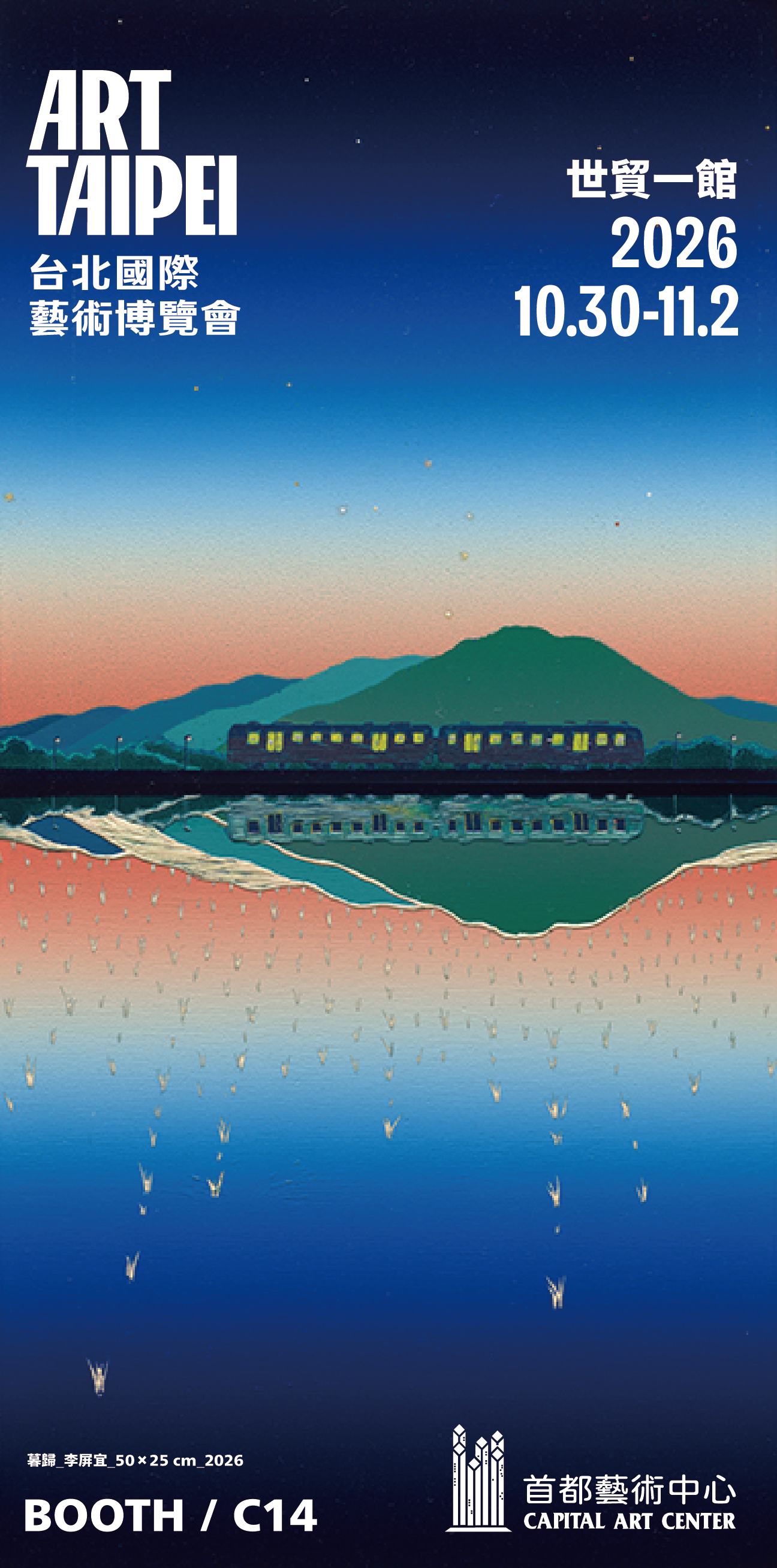
• The Mirror Wood Reflecting the Land | Li Ping-yi: Li Ping-yi shifts the woodblock from a "medium" of printing to the "artwork" itself. In her Scars of Time series, wood ceases to be a tool and becomes the vessel for the landscape itself. Carving the sea and mountains with precision, she juxtaposes the printed paper alongside the original carved woodblock. The marks left by her blade represent both the wounds of the earth and their healing, manifesting the distinct, gentle poetry of Eastern Taiwan through the dialogue of presence and absence.
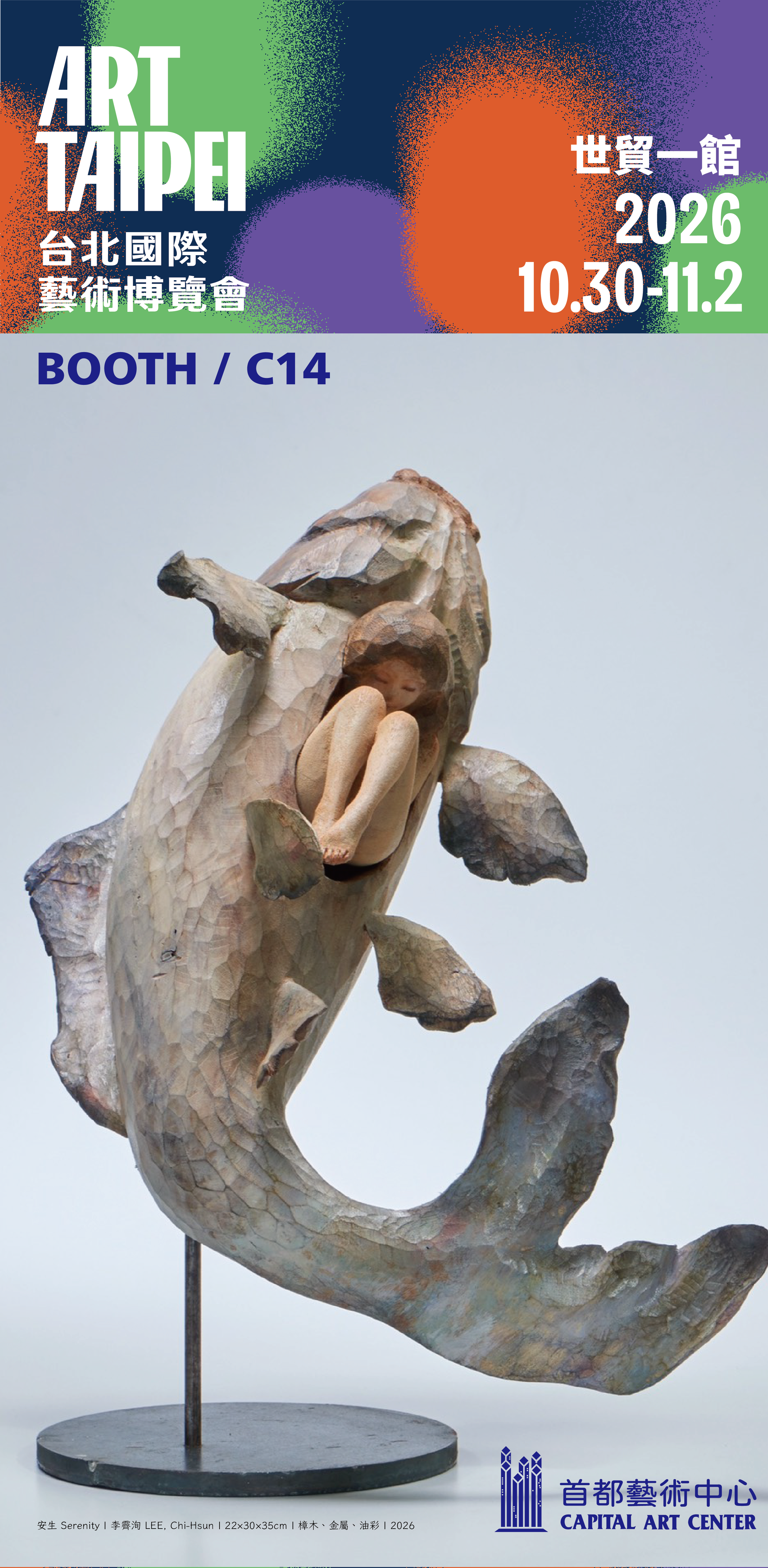
• The Defensive Wood Encapsulating Emotion | LEE Chi-Hsun: Diverging from flat dimensions, LEE Chi-Hsun capitalizes on the three-dimensionality of wood to construct a metaphor for the self. With warm, polished wood sculptures, she renders juxtaposed, seemingly incompatible elements: soft bedding, cold insects, and subtle fragments of the human form. Under her hands, wood sheds its rigid nature, transforming into a defensive mechanism imbued with body temperature, meticulously preserving a woman's astute observations of society within every inch of the wood fiber.
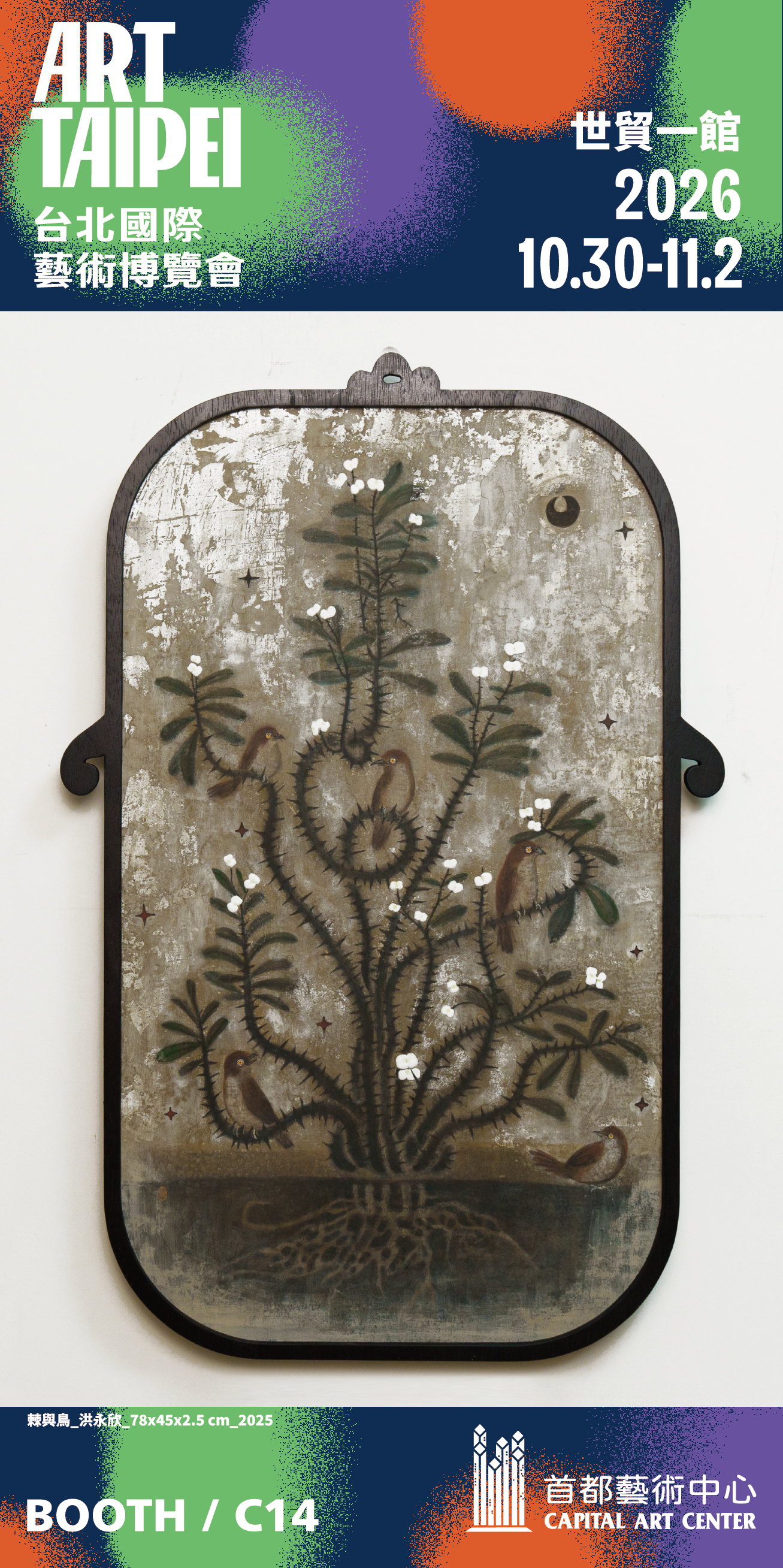
• The Weathered Pigments Reconstructing Time | Hong Yong-xin: Specializing in mineral pigments and glue color painting, Hong Yong-xin excels at utilizing the layering and infiltration of natural earth colors. She mimics animal iconography from ancient paintings, integrating the linear decoration of medieval manuscripts and the expressive freehand (Xieyi) techniques of ancient East Asian murals. For Hong, the accretion of mineral pigments echoes the natural weathering of stone and wood over eons, endowing her canvases with the mottled charm of ancient civilizations. Through half-closed eyes or bared teeth of her subjects, she navigates the tension between cuteness and cruelty, exploring the ambiguous relationship between humans and nature, domestication, and historical narratives, rendering her works continuous generative fields that coexist with time.
【Conclusion】
From the abstract pinnacles of Liu Kuo-sung and Park Seo-Bo to the contemporary translations of wood and mineral mediums by Li Ping-yi, LEE Chi-Hsun, and Hong Yong-xin, this exhibition demonstrates how "labor" and "time" breathe souls into materials. In the process of viewing, the audience does not merely appreciate finished objects; rather, through the incisions shaped by the artists' fingers and blades, they read a profound confession of time, land, and existence. It is an invitation designed for collectors and art enthusiasts to pause, gaze deeply, and savor repeatedly.